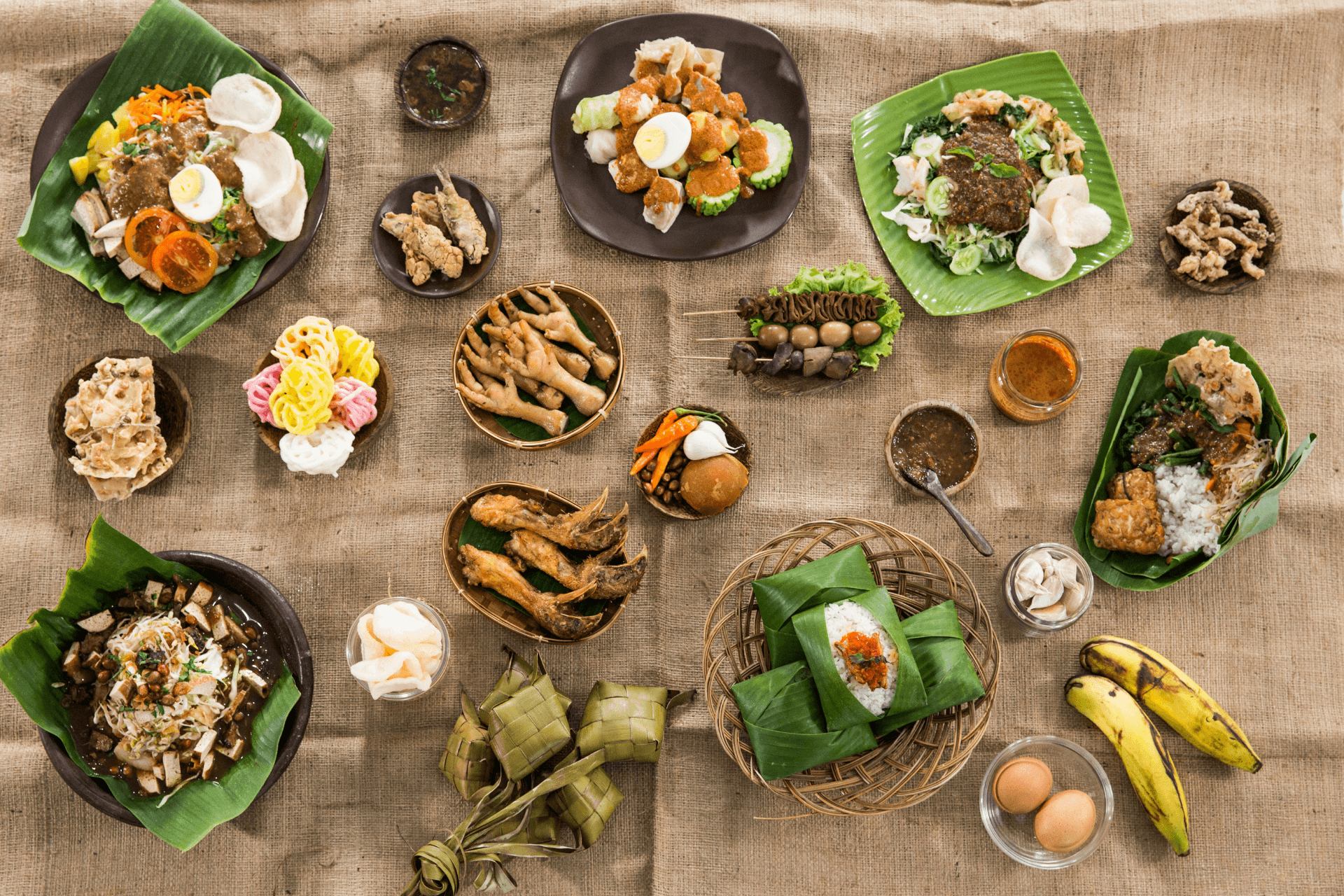
In the realm of textile arts, few creations are as culturally rich and visually captivating as batik. Originating from the island of Java in Indonesia, batik has woven itself into the tapestry of global fashion and artistic expression. But what exactly is batik, and what makes it such a cherished and enduring art form?

A Brief History
Batik’s history traces back over a thousand years, with its roots firmly embedded in Indonesian culture. The word “batik” itself is thought to be derived from the Javanese word “amba,” meaning to write, and “titik,” meaning dot. Originally practiced by Javanese royalty, batik was used as a symbol of status and wealth. Over time, it evolved from a royal tradition to a beloved form of artistic expression embraced by people from all walks of life.
The Artistic Process
At its core, batik is a wax-resist dyeing technique. Artisans use wax to create intricate patterns on fabric, preventing dye from penetrating the wax-covered areas while allowing it to seep into the untreated areas. This process can be repeated multiple times, with different colors and layers, to achieve stunning, multi-dimensional designs.
Materials and Tools
Traditionally, batik is crafted using natural materials such as cotton or silk fabric, along with a tool called a “canting” or a “tjanting” to apply the wax. The canting consists of a small metal cup with a spout, through which the artisan meticulously pours hot wax onto the fabric, creating delicate lines and shapes. For larger areas, a brush or stamp may be used to apply the wax.
Batik Fabric
Central to the art of batik is the fabric itself, serving as the canvas upon which artisans weave their intricate designs. Traditionally, batik fabric is made from natural materials such as cotton or silk, prized for their ability to absorb dyes and retain vibrant colors.
The process of preparing batik fabric is meticulous, involving several stages of washing, stretching, and drying to ensure the fabric is free of impurities and ready to receive the intricate wax and dye patterns. Artisans often hand-select the finest fabrics, taking into consideration factors such as texture, thread count, and absorbency to achieve the desired results.
Batik fabric comes in various weights and textures, ranging from lightweight cotton suitable for clothing to heavier silk fabrics ideal for wall hangings and decorative pieces. Each type of fabric lends itself to different techniques and applications, allowing artisans to explore a multitude of creative possibilities.
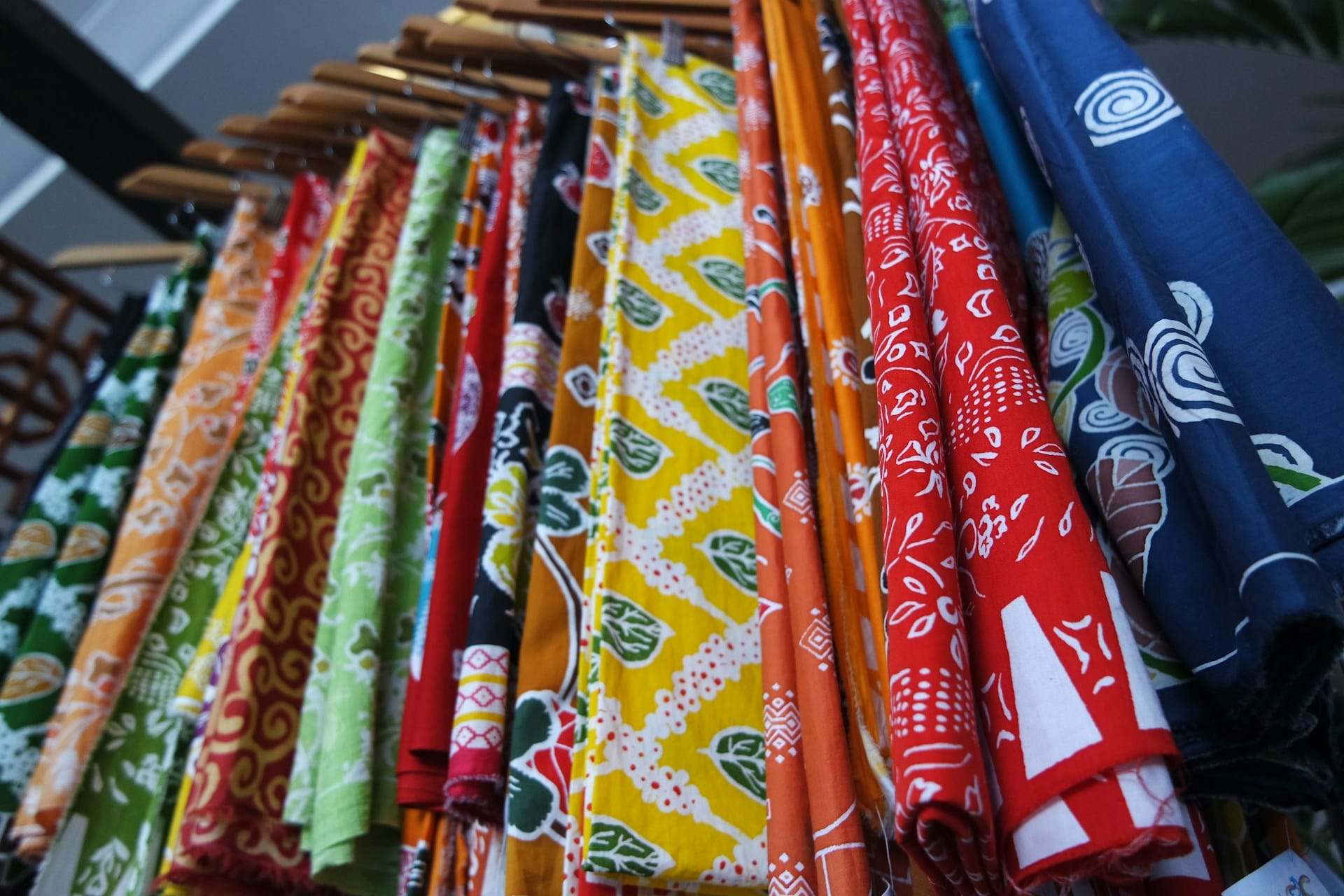
In recent years, there has been a resurgence of interest in traditional batik fabrics, fueled by a growing appreciation for handmade craftsmanship and sustainable practices. Artisans and designers alike are rediscovering the beauty and versatility of batik fabric, incorporating it into contemporary fashion, home decor, and artistic creations.
Whether meticulously handcrafted using age-old techniques or replicated through modern printing methods, batik fabric continues to captivate and inspire with its timeless beauty and cultural significance. As we embrace the rich legacy of batik, we honor not only the artisans who bring these fabrics to life but also the centuries of tradition and craftsmanship that make each piece truly extraordinary.
Types of Batik
- Traditional Batik: This classic form of batik involves hand-painted or hand-stamped designs on natural fabrics. It often features intricate motifs inspired by nature, mythology, or cultural symbols.
- Printed Batik: Utilizes modern printing techniques to replicate the look of handcrafted batik designs. While not as labor-intensive as traditional methods, printed batik still captures the essence of batik artistry and is often more affordable and accessible.
- Tie-Dye Batik: Combines tie-dye techniques with batik principles, resulting in vibrant, multi-colored designs. Artisans use various folding, twisting, and tying methods to create intricate patterns before applying wax and dye.
- Wax-Resist Batik: Encompasses a range of batik techniques that utilize wax as a resist medium to create intricate patterns on fabric. Whether hand-drawn with a canting, stamped with a tjap, or block-printed, wax-resist batik allows for endless creativity and experimentation.
Indonesian Batik
Indonesian batik holds a special place in the world of textile arts, serving as the epitome of intricate craftsmanship and cultural heritage. With its origins deeply rooted in the Indonesian archipelago, particularly Java, Indonesian batik represents a harmonious fusion of tradition, symbolism, and artistic expression.
Distinctive motifs and patterns adorn Indonesian batik, each carrying its own significance and story. From the delicate curves of the “parang” motif symbolizing determination and resilience to the intricate floral patterns inspired by nature’s beauty, Indonesian batik reflects the rich tapestry of the nation’s diverse cultures and traditions.
Indonesian batik is not merely a form of decoration; it is a language unto itself, conveying messages of status, identity, and spirituality. Different regions of Indonesia boast their own unique styles of batik, each characterized by specific motifs, colors, and techniques passed down through generations.
In 2009, UNESCO recognized Indonesian batik as a Masterpiece of Oral and Intangible Heritage of Humanity, acknowledging its cultural significance and the meticulous artistry involved in its creation. This prestigious designation underscores the importance of preserving and promoting Indonesian batik as a timeless art form cherished by people around the world.
Regional Variations
While batik’s roots lie in Indonesia, the art form has spread across the globe, each region imbuing it with its own unique flair. From the vibrant colors and intricate motifs of Indonesian batik to the earthy tones and geometric patterns of West African batik, each style tells a story of cultural heritage and artistic ingenuity.
Modern Interpretations
In today’s globalized world, batik continues to evolve, with contemporary artists pushing the boundaries of tradition while still honoring its rich legacy. From high fashion runways to everyday attire, batik has found its way into the fabric of modern life, bridging the gap between past and present.
Quilting with Batik
Quilting with batik fabrics has gained popularity among both traditional quilters and modern fiber artists. Batik fabrics, with their vibrant colors, intricate designs, and unique textures, add depth and dimension to quilts, making them visually striking and culturally rich.
Quilting with batik involves the same basic techniques as quilting with other fabrics, such as piecing, appliqué, and quilting stitches. However, batik fabrics offer distinct advantages, including their tightly woven construction, which makes them durable and resistant to fraying, and their ability to hold color vibrantly even after multiple washes.
One of the most appealing aspects of quilting with batik is the wide range of colors and patterns available. From traditional motifs inspired by nature and cultural symbols to contemporary designs with a modern twist, batik fabrics offer endless possibilities for creativity and expression.
Quilts made with batik fabrics often showcase intricate piecing and meticulous attention to detail, highlighting the craftsmanship and artistry of the quilter. Whether it’s a traditional patchwork quilt, a modern art quilt, or a functional quilted garment or accessory, batik fabrics lend a touch of elegance and sophistication to any project.
In addition to their aesthetic appeal, quilts made with batik fabrics hold cultural significance, serving as a celebration of heritage and tradition. Many quilters draw inspiration from the rich history of batik and incorporate elements of Indonesian culture into their designs, paying homage to the origins of this timeless art form.
Whether you’re an experienced quilter or a novice enthusiast, quilting with batik fabrics offers a rewarding and fulfilling creative journey. As you piece together fabrics rich in color and texture, you not only create beautiful works of art but also connect with a tradition that spans centuries and continents.
Cultural Significance
Beyond its aesthetic appeal, batik holds deep cultural significance for many communities around the world. In Indonesia, it is worn during religious ceremonies and special occasions, symbolizing unity and identity. In other parts of the world, it serves as a connection to ancestral traditions and a means of preserving cultural heritage.

Conclusion
In an age of mass production and fleeting trends, batik stands as a testament to the enduring power of craftsmanship and cultural heritage. Its intricate designs and rich symbolism continue to inspire awe and admiration, reminding us of the beauty that can be found in tradition and artistry. As we continue to weave our way through the fabric of history, let us not forget the timeless elegance of batik.